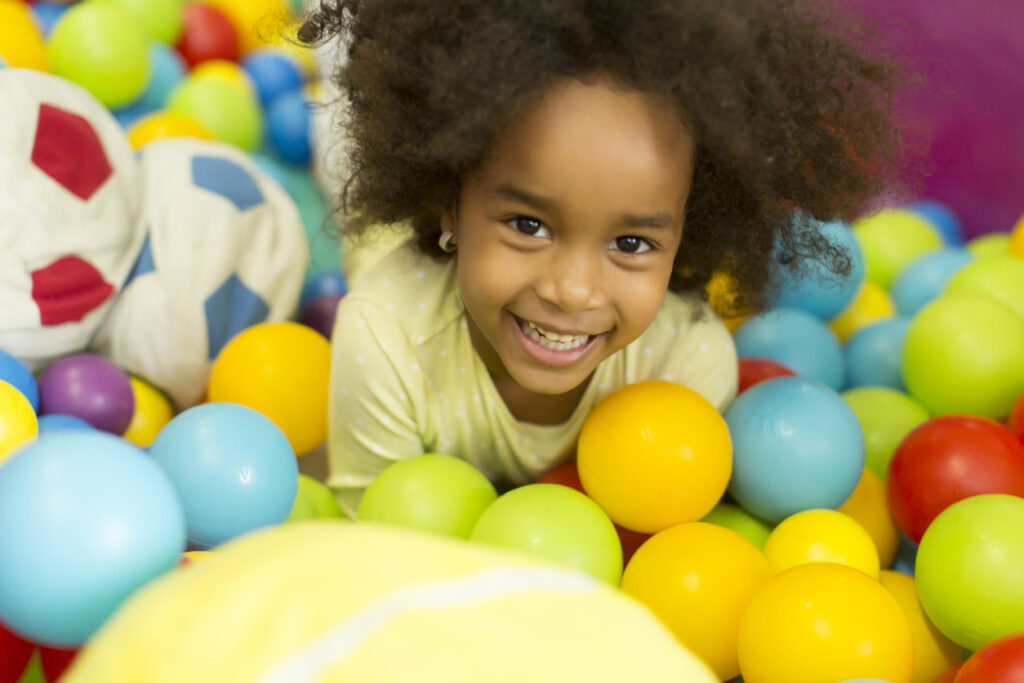
To adults, play might look like just a fun way for kids to pass the time. But for young children, play is serious learning. It’s how they explore the world, build skills, and make sense of everything around them.
🎨 So what does play actually teach children?
🧠 Cognitive Development
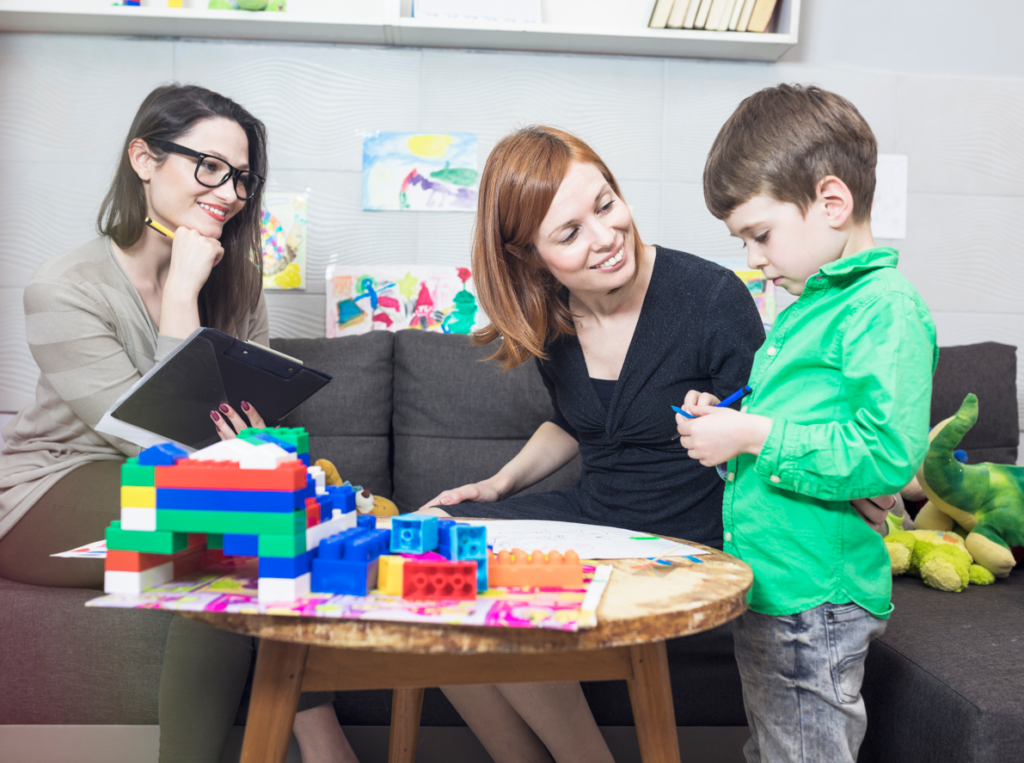
When kids stack blocks, solve puzzles, or pretend to be superheroes, they’re building thinking skills—like problem-solving, memory, and imagination.
🧍♂️🧍♀️ Social Skills
Play teaches turn-taking, cooperation, negotiation, and how to manage conflict. Through games and role-play, kids learn how to be with others.
❤️ Emotional Understanding
Play gives children a safe space to express and process emotions. Whether they’re pretending to be a parent or acting out a story, they’re practicing empathy and emotional regulation.
🖐️ Motor Skills
Running, drawing, building, and dressing up all help develop fine and gross motor skills, coordination, and body awareness.
🔍 Creativity and Curiosity
Unstructured play encourages experimentation, wonder, and new ways of thinking. It’s where innovation begins!
👨👩👧👦 How can parents support meaningful play?
📅 Make time for free play
Not every moment needs to be scheduled. Let kids follow their own interests—this is when the deepest learning often happens.
🧸 Provide open-ended toys
Simple items like blocks, dress-ups, or art supplies encourage imagination more than flashy toys.
🗣️ Join in—but follow their lead
You don’t have to direct the play. Get down on their level, enter their world, and let them guide the fun.
🌳 Encourage outdoor exploration
Nature offers rich sensory experiences and endless opportunities for creativity and movement.
💬 Remember: when children play, they’re not “just playing”—they’re growing their brains, bodies, and hearts.
📞 Want to learn more about supporting your child’s development through play? Reach out for a chat or book a session.