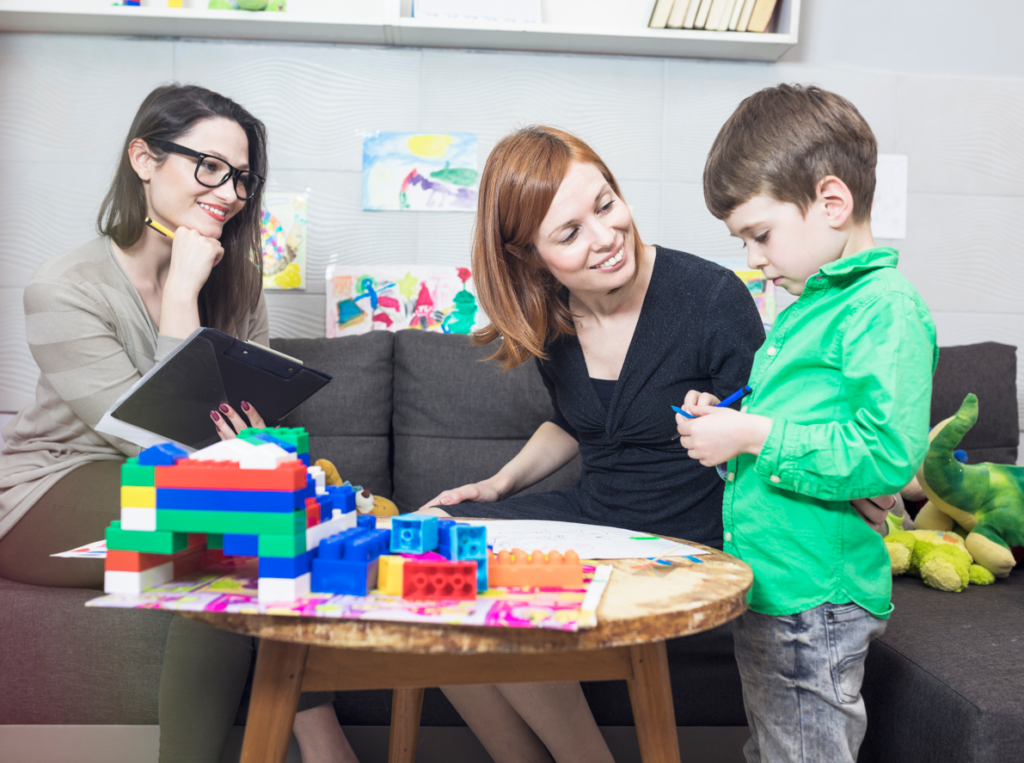
As parents, we all know how tricky it can be to help our little ones navigate their big emotions. Co-regulation is one powerful tool we can use to help children feel safe, understood, and supported when their emotions get overwhelming.
What is Co-Regulation?
Co-regulation is when an adult helps a child manage their emotions and reactions. It’s like emotional “training wheels” — parents or caregivers provide a calming, supportive presence until the child can gradually learn to regulate their own emotions.
While we often talk about self-regulation (a child learning to calm themselves), co-regulation is the foundation for that. It teaches kids that their feelings are valid, and that it’s okay to need help when they’re struggling.
Why is it Important?
When kids experience co-regulation, they learn important life skills like:
✔️ Recognizing and naming their emotions
✔️ Learning how to calm down after being upset
✔️ Feeling safe and secure in difficult moments
Simple Co-Regulation Strategies:
- Stay Calm and Present
When your child is upset, your calm presence will help them feel safer. Take deep breaths and show your child that you’re there for them — this helps their brain “mirror” your calm state, making it easier for them to regulate. - Use Gentle Touch or a Comforting Voice
Sometimes, a gentle hand on the shoulder, a hug, or even holding their hand can make all the difference in helping your child feel grounded. Your calm tone and comforting words can also help them feel supported. - Acknowledge Their Feelings
Instead of jumping straight into solving the problem, first validate what your child is feeling. “I can see you’re feeling really upset because your toy broke. It’s okay to be sad.” Acknowledging their feelings helps them feel heard and understood. - Offer a Calming Strategy
Once the immediate storm has passed, offer a calming strategy that works for your child. This might be a breathing exercise, counting together, or even just sitting quietly with them. The goal is to help them connect with a tool they can use in the future. - Model Self-Regulation
Children learn by watching. When you model how you handle your own emotions — like taking deep breaths or walking away to calm down — you’re teaching them how to do it, too.
Remember: Co-regulation isn’t about fixing the problem for your child — it’s about helping them feel safe, loved, and supported as they navigate their emotions.
💖 Co-regulation builds the foundation for strong emotional intelligence and helps kids grow into resilient, empathetic individuals