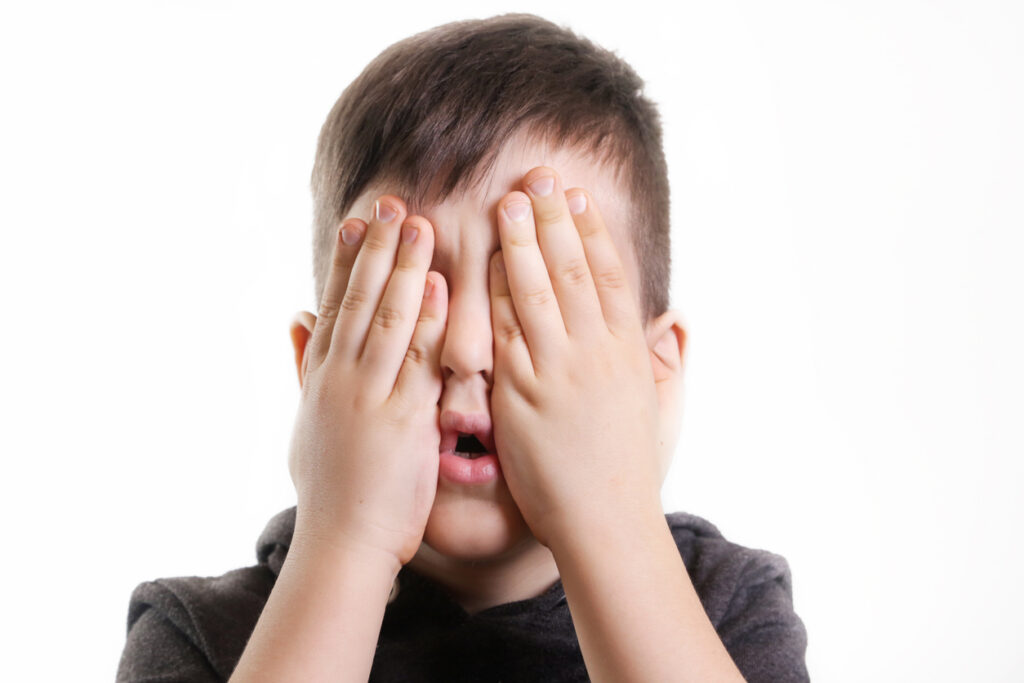
It’s one of the most common challenges parents face — a young child folding their arms, digging in their heels, and saying “NO!” (sometimes loudly… and in public 😬).
While this can feel frustrating, from a psychologist’s perspective, here’s what’s really going on — and a few practical ways to respond:
👶 “No” is about autonomy. Around toddlerhood and early childhood, children start to test boundaries as a way to figure out their place in the world. Saying “no” is one way they express independence — and that’s a healthy developmental milestone.
🧠 What helps?
✅ Stay calm and regulated. If we meet “no” with more intensity, it often escalates the situation. Take a breath before responding.
✅ Offer choices. Instead of “Put your shoes on now,” try: “Would you like your blue shoes or your red ones today?” This gives your child a sense of control within your boundaries.
✅ Use play and connection. Sometimes children resist because they feel disconnected. A bit of silliness can go a long way: “These shoes are so lonely! They’re looking for two little feet!”
✅ Acknowledge the feeling. Let them know you hear them: “I hear you don’t feel like brushing your teeth. That’s hard. It’s time now, but I get that you’re not in the mood.”
✅ Keep boundaries consistent. Empathy and flexibility don’t mean giving in. It’s okay to hold the limit with kindness.
💬 From a psychologist’s point of view, every “no” is an opportunity — not just to teach cooperation, but to model emotional regulation and build trust.
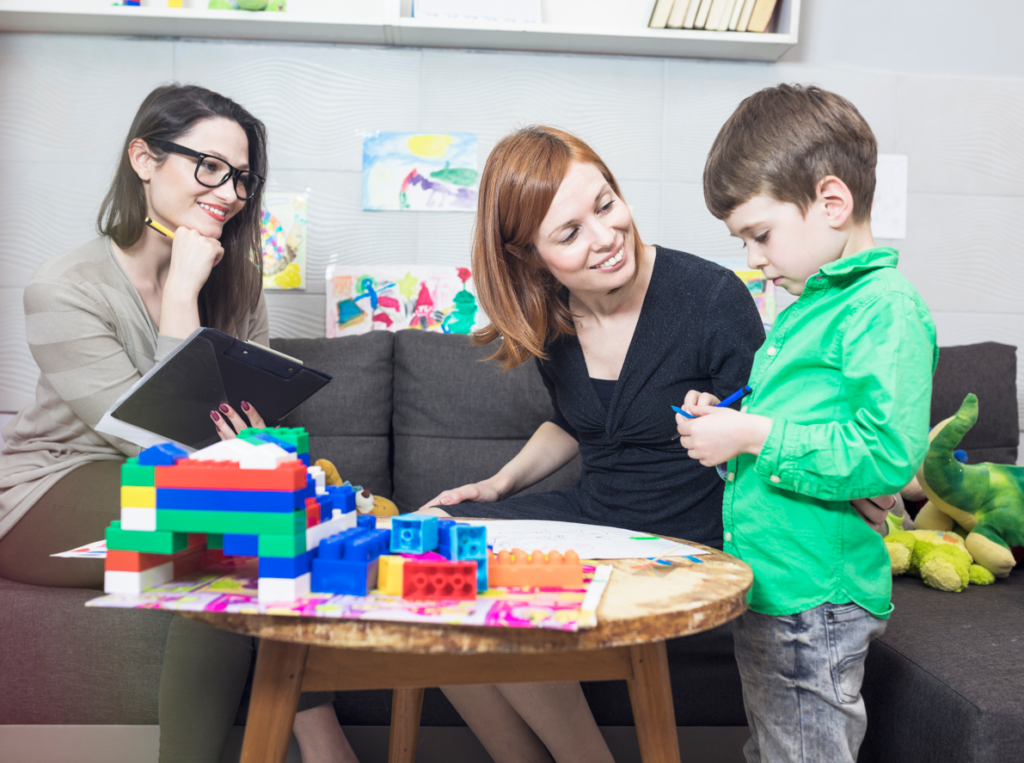
And remember — if these moments are happening often, or feel especially hard to manage, you don’t have to do it alone. Reach out for support. Sometimes a little guidance can make a big difference 💛