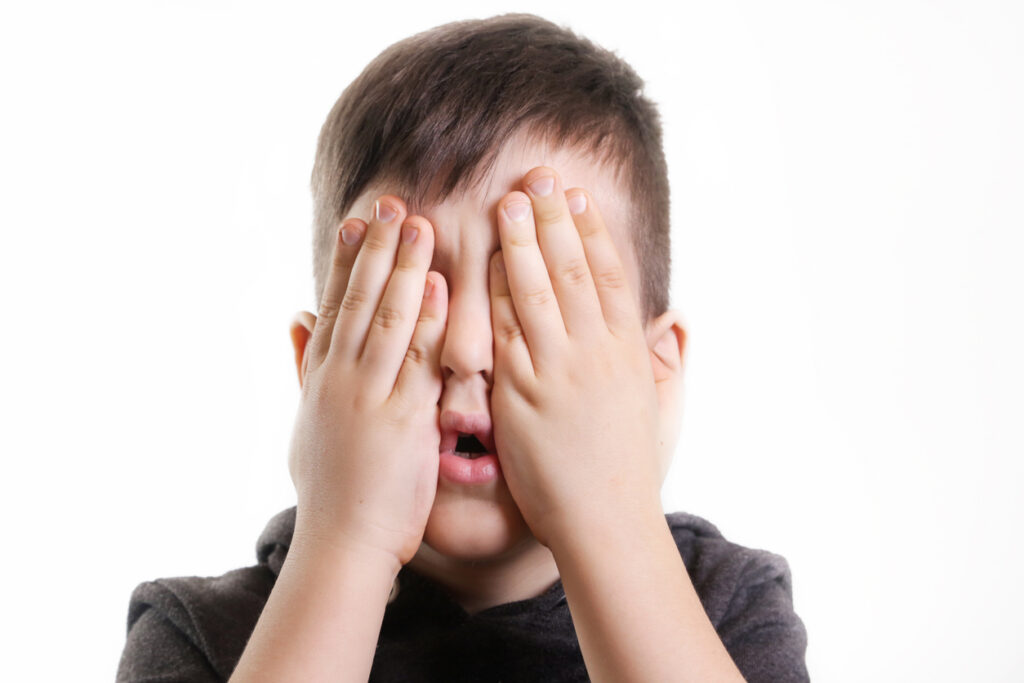
Does your child chat away confidently at home but go completely silent in the classroom or around unfamiliar people? This might be more than just shyness.
Selective mutism is an anxiety-based condition where a child is able to speak—but becomes unable to do so in certain settings. It often begins in early childhood and can be incredibly distressing, both for the child and for their family.
Children with selective mutism aren’t choosing to be silent out of stubbornness or rudeness—they’re often experiencing intense anxiety that makes speaking feel impossible.
Some signs to look out for include:
✔️ Speaking freely at home, but being silent in school or public
✔️ Relying on gestures or whispering in some settings
✔️ Appearing “frozen” or highly anxious when expected to talk
The good news is that selective mutism is treatable—and the earlier we intervene, the better. Without support, these communication challenges can become more ingrained and start to impact a child’s social confidence, learning, and emotional wellbeing.
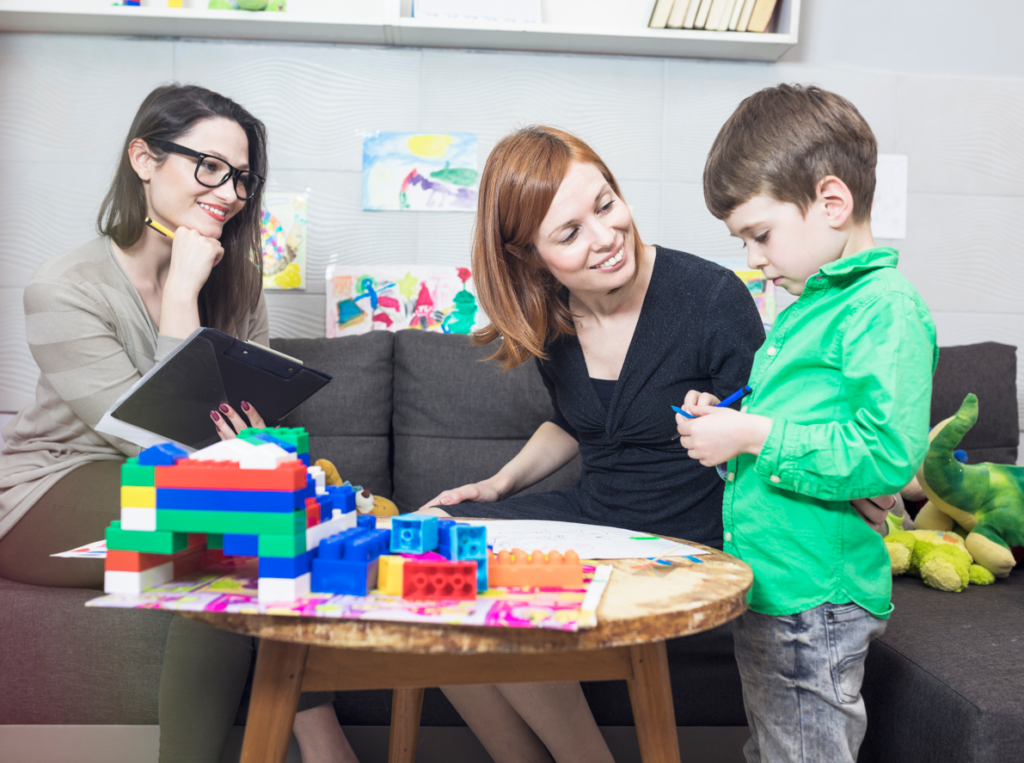
Therapy can help children build trust, confidence, and communication skills in a gentle, supportive way. Parents and teachers also play an essential role—and with the right guidance, we can work together to help your child find their voice.
👉 If you’re concerned your child may be experiencing selective mutism, I offer assessment and support tailored to your family’s needs. Please get in touch to find out how I can help.